
Question Tags
English Grammar Rules
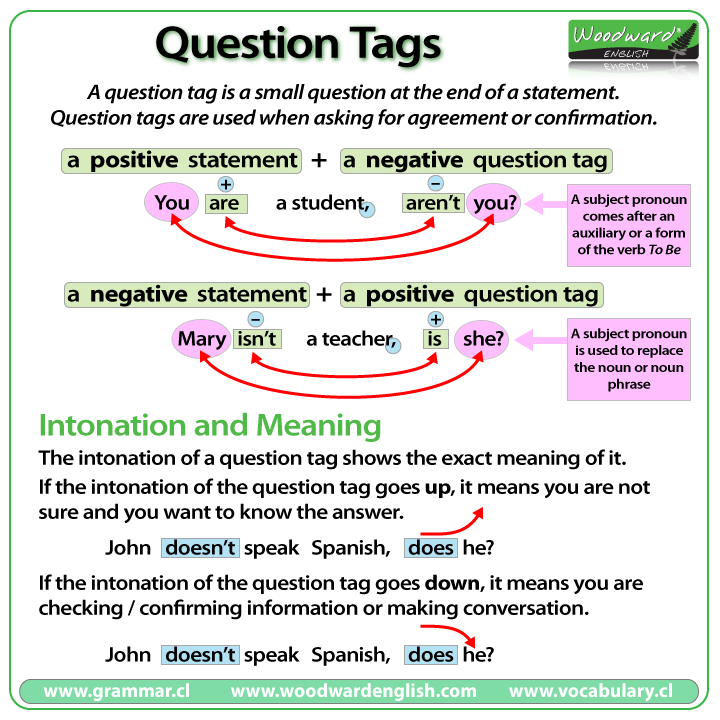
Question tags are short questions at the end of statements.
They are mainly used in speech when we want to:
- confirm that something is true or not, or
- to encourage a reply from the person we are speaking to.
Question tags are formed with the auxiliary or modal verb from the statement and the appropriate subject.
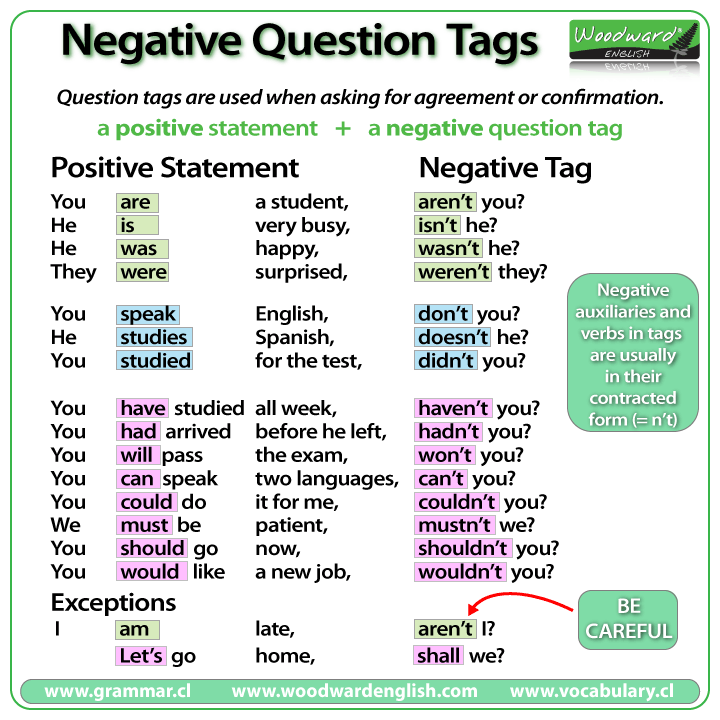
A positive statement is followed by a negative question tag.
- Jack is from Spain, isn't he?
- Mary can speak English, can't she?
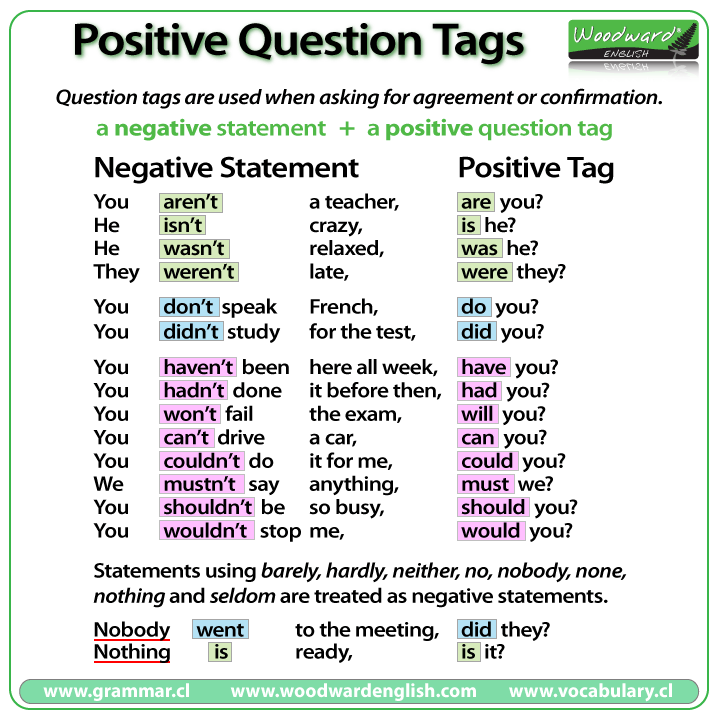
A negative statement is followed by a positive question tag.
- They aren't funny, are they?
- He shouldn't say things like that, should he?
When the verb in the main sentence is in the present simple we form the question tag with do / does.
- You play the guitar, don't you?
- Alison likes tennis, doesn't she?
If the verb is in the past simple we use did.
- They went to the cinema, didn't they?
- She studied in New Zealand, didn't she?
When the statement contains a word with a negative meaning, the question tag needs to be positive
- He hardly ever speaks, does he?
- They rarely eat in restaurants, do they?
Question Tags Summary Charts
Exceptions
Some verbs / expressions have different question tags. For example:
I am - I am attractive, aren't I?
Positive imperative - Stop daydreaming, will / won't you?
Negative imperative - Don't stop singing, will you?
Let's - Let's go to the beach, shall we?
Have got (possession) - He has got a car, hasn't he?
There is / are - There aren't any spiders in the bedroom, are there?
This / that is - This is Paul's pen, isn't it?
Intonation
When we are sure of the answer and we are simply encouraging a response, the intonation in the question tag goes down:
- This is your car, isn't it?
(Your voice goes down when you say isn't it.)
When we are not sure and want to check information, the intonation in the question tag goes up:
- He is from France, isn't he?
(Your voice goes up when you say isn't he.)
Next activity
If you would like to play an interactive game to practice Question Tags, visit here: Question Tags
If you found this English grammar lesson about Question Tags useful, please let others know about it.


